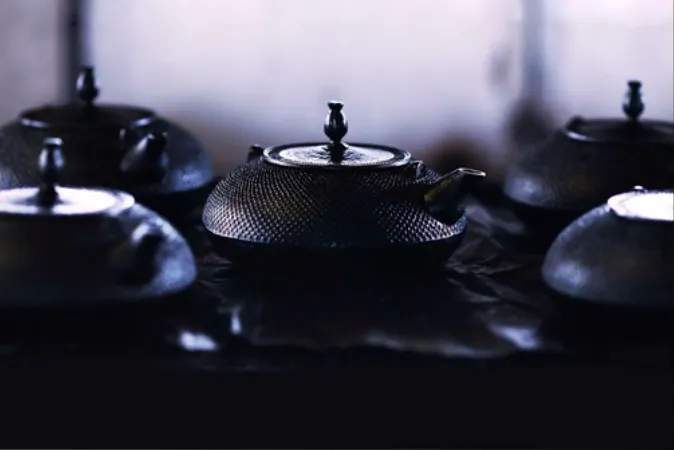
Nambu Tekki (Nambu cast iron) is one of Japan’s most celebrated traditional crafts, renowned for its exceptional durability, beauty, and craftsmanship. Its history dates back nearly 900 years to the Heian period (794-1185), when iron casting first flourished in what is now Oshu City, Iwate Prefecture.
The abundance of high-quality iron sand, clay, charcoal, and pure water made the region an ideal place for foundry work. Over the centuries, skilled craftsmen refined their techniques, establishing a rich tradition of cast-iron production that became known as Mizusawa Imono (Mizusawa Castings), the historical foundation of today’s Nambu Tekki.
During the Edo period (1603-1868), the local feudal lords of the Nambu Domain actively promoted iron casting to produce tea kettles for the Japanese tea ceremony. These beautifully crafted kettles gained a reputation for their superior quality and elegant design, helping Nambu Tekki become one of Japan’s most respected traditional crafts.
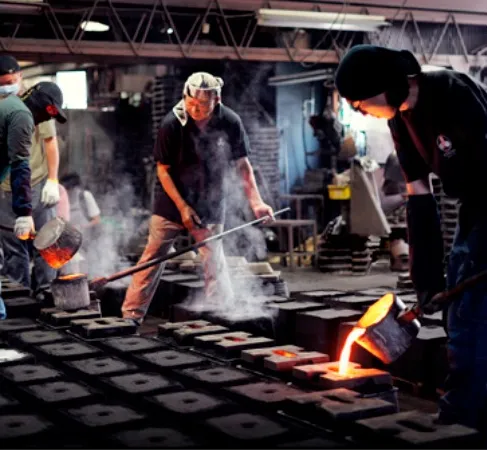
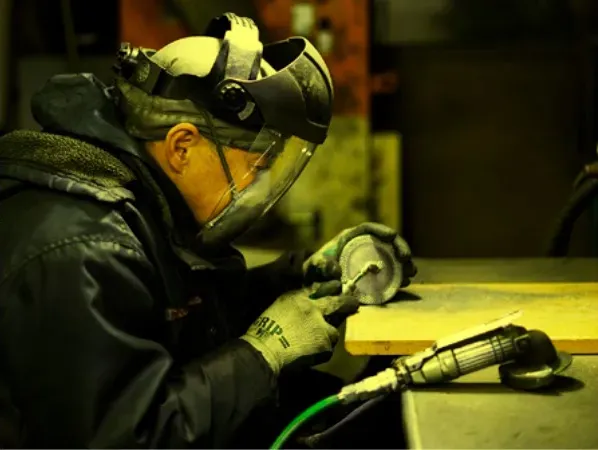
Today, Oshu remains one of the two principal centers of Nambu Tekki production. Many workshops continue to preserve traditional hand-casting techniques while embracing contemporary design and new applications. Every piece is individually cast, finished, and inspected by skilled artisans, reflecting generations of accumulated knowledge and craftsmanship.
Rather than simply preserving tradition, modern makers in Oshu strive to create products that harmonize heritage with innovation. From tea kettles and cookware to interior decor and audio accessories, they continue to expand the possibilities of Nambu Tekki while maintaining the uncompromising quality that has defined the craft for centuries.
Today, Nambu Tekki from Oshu is appreciated around the world-not only as a functional object, but also as a work of art that embodies the enduring spirit of Japanese craftsmanship.
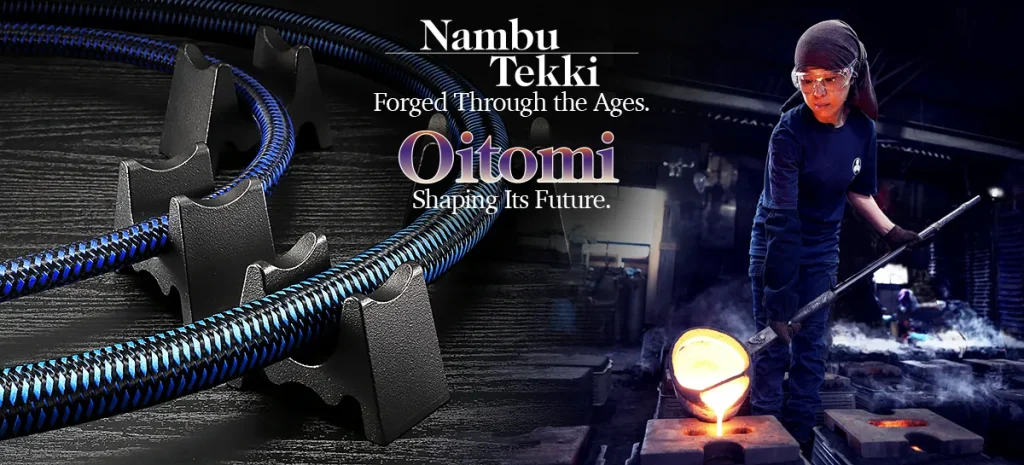
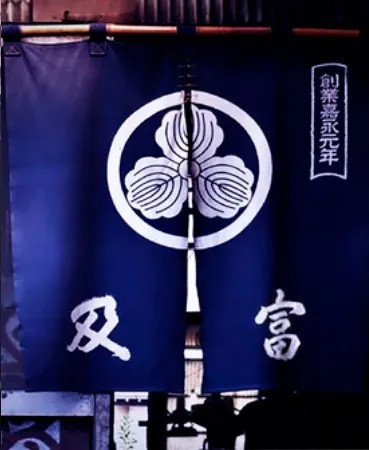
Founded in 1848 (the first year of the Kaei era) by the first-generation Rigenta Oikawa in the Hada district of Mizusawa, Oshu City, Iwate Prefecture, Hoshodo is recognized as the origin of today’s Oitomi. Located in one of Japan’s oldest casting regions—with a history spanning more than 900 years since the Heian period—Oitomi has inherited and refined the art of Nambu Tekki for over 170 years. Its story began with the iron kettles crafted for the Japanese tea ceremony and continues to this day. (The name Oitomi itself was adopted from the fifth-generation owner, Tominoshin Oikawa.)
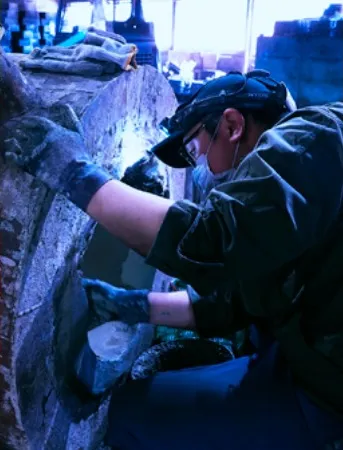
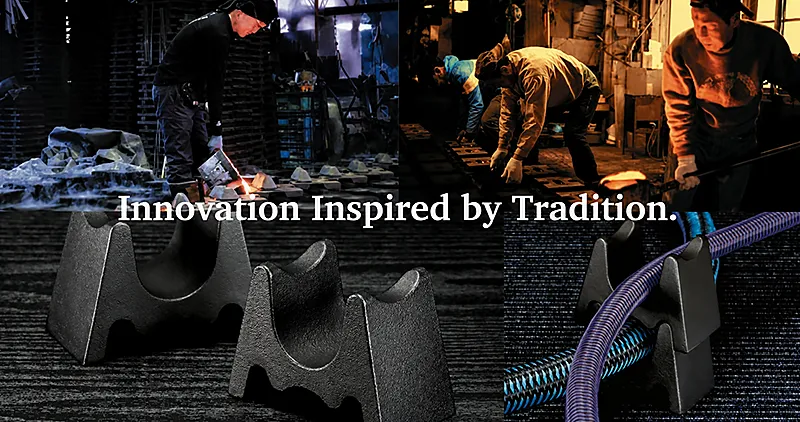
What distinguishes Oitomi from other historic manufacturers of Nambu Tekki is its unwavering commitment to complete in-house production. Even in an age when manufacturing has become increasingly specialized for the sake of efficiency, Oitomi remains one of the few foundries to oversee every stage of production-from design and mold making to casting, firing, and finishing-within its own workshop. Each piece is meticulously handcrafted using time-honored casting techniques.
Yet Oitomi is not defined by tradition alone. The company continues to challenge itself, exploring new possibilities while honoring its heritage. Its vision is to create products that will be treasured, passed down, and enjoyed across generations.
This philosophy is exemplified by the work of Oitomi’s younger artisans, whose creations overturn the conventional image of cast iron as simply black and heavy. Their elegant, vividly colored finishes-designed to appeal to audiences both in Japan and abroad-express a refined artistic sensibility in which traditional craftsmanship and contemporary aesthetics exist in perfect harmony. Bringing color and beauty to everyday life, Oitomi continues to redefine the possibilities of Nambu Tekki for a new generation.
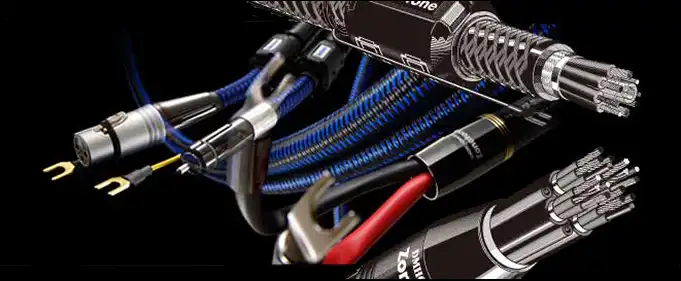
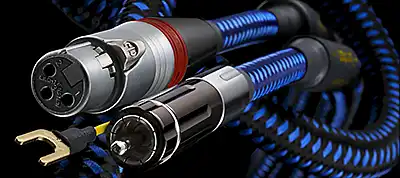
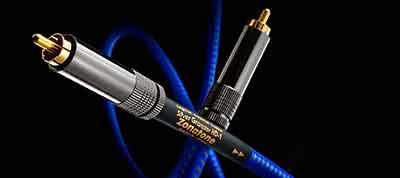
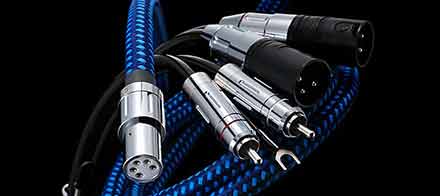
When I first learned about Oitomi’s original record stabilizer, I was immediately intrigued by its innovative concept. Looking back, however, our encounter seems less a coincidence than an inevitability. Oitomi is renowned for creating distinctive Nambu Tekki cast-iron products that seamlessly blend centuries-old craftsmanship with contemporary design. That philosophy closely mirrors Zonotone’s own approach to audio cable development, where originality and innovation are essential to achieving performance beyond conventional standards.
I obtained one of his record stabilizers and put it through extensive listening tests. The results were remarkable, revealing both its impressive effectiveness and its exciting potential. I later learned that the product had been born from conversations between a young artisan specializing in Nambu Tekki-himself an avid music enthusiast-and DJs and musicians actively performing in the club scene.
That story sparked an idea: a cable insulator crafted from Nambu Tekki.
To explore the possibility, I visited Oitomi’s workshop in Oshu, Iwate Prefecture. They showed tremendous enthusiasm for the concept and later visited Zonotone’s listening room, where they experienced firsthand the sonic benefits of both the record stabilizer and cable insulators. Convinced of their potential, we agreed to collaborate.
The result is a truly original cable insulator-an entirely new concept brought to life through the timeless craftsmanship of Nambu Tekki.
Chikara Maezono / Maezono Sound Labs. Corp.